Sump Pump Plumbing in Boston, MA
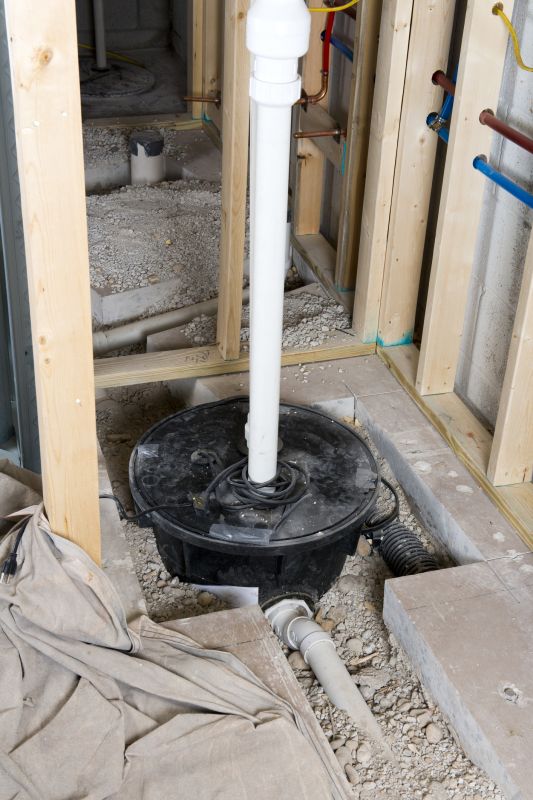
Sump pump plumbing services focus on installing, repairing, and maintaining sump pumps, which are essential for protecting homes from flooding and water damage. These systems are typically located in the basement or crawl space and work by removing excess water that accumulates during heavy rain or melting snow. Projects may include installing new sump pumps, upgrading existing systems, or addressing issues such as leaks, clogs, or failures that prevent proper operation. Homeowners often want to understand the type of sump pump best suited for their property, how to recognize signs of system failure, and what maintenance steps can help ensure reliable performance during storms.
Before requesting sump pump plumbing services, property owners should consider the layout of their basement or crawl space, the history of water issues, and the capacity needed for their property size. It’s important to assess whether existing sump pumps are functioning correctly or if upgrades are necessary to improve drainage. Understanding the specific needs of the property, such as the presence of backup systems or battery-powered units, can help determine the most effective solution. Proper installation and regular maintenance are key to ensuring the sump pump system provides effective protection against flooding and water intrusion.
Many property owners in Boston, MA look into Sump Pump Plumbing for repairs, replacements, upgrades, and appearance-related improvements.
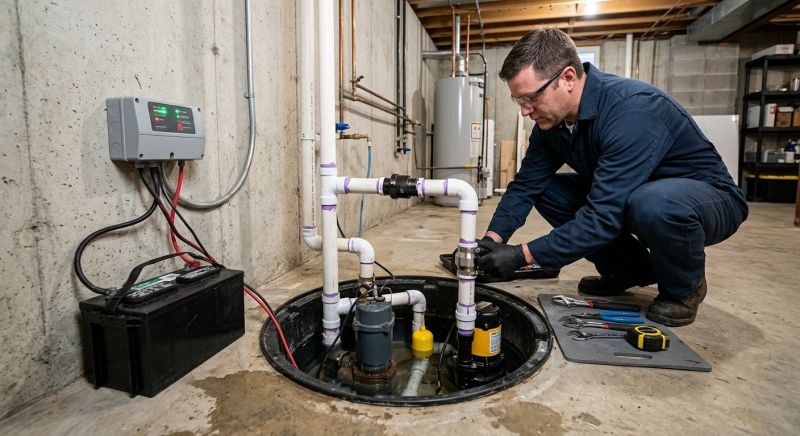
Sump Pump Installation And Replacement
Proper installation ensures effective water removal during heavy storms in boston.
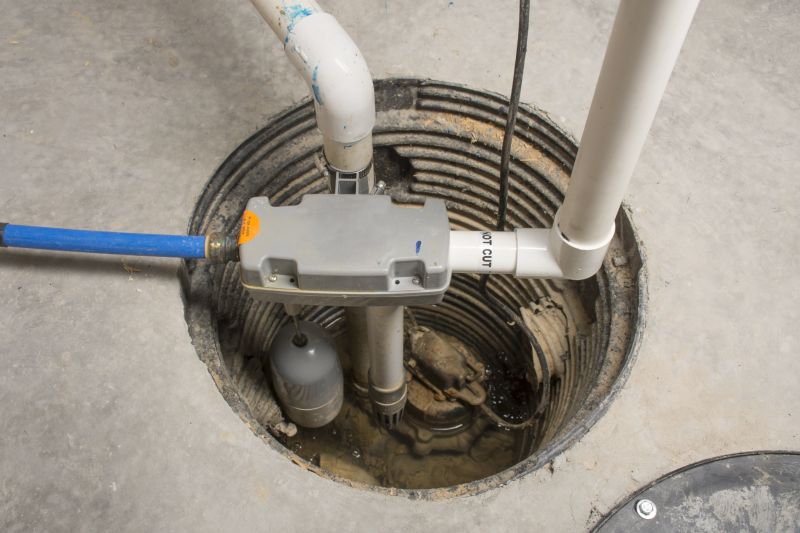
Sump Pump Maintenance And Inspection
Regular checkups help prevent failures and keep your basement dry.
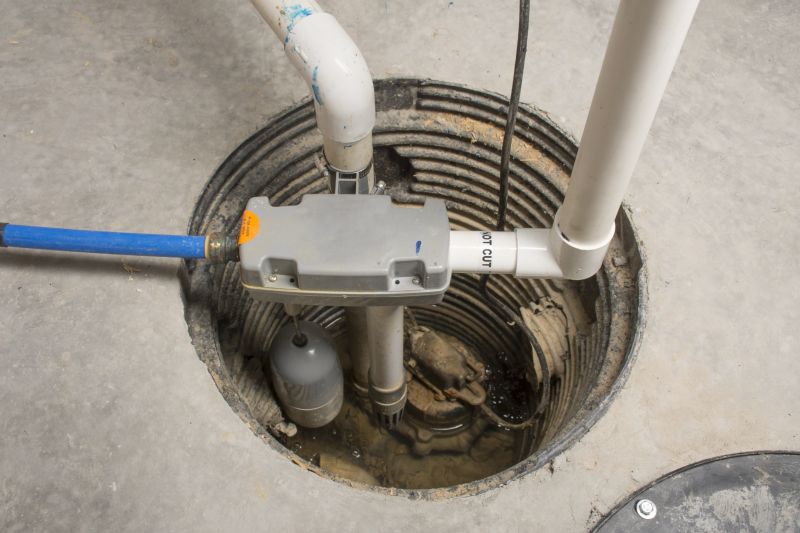
Troubleshooting Sump Pump Issues
Identifying and resolving common problems can avoid costly water damage in your home.
Sump Pump Plumbing in Boston, MA

Sump pump plumbing services focus on installing, repairing, and maintaining sump pumps, which are essential for protecting homes from flooding and water damage. These systems are typically located in the basement or crawl space and work by removing excess water that accumulates during heavy rain or melting snow. Projects may include installing new sump pumps, upgrading existing systems, or addressing issues such as leaks, clogs, or failures that prevent proper operation. Homeowners often want to understand the type of sump pump best suited for their property, how to recognize signs of system failure, and what maintenance steps can help ensure reliable performance during storms.
Before requesting sump pump plumbing services, property owners should consider the layout of their basement or crawl space, the history of water issues, and the capacity needed for their property size. It’s important to assess whether existing sump pumps are functioning correctly or if upgrades are necessary to improve drainage. Understanding the specific needs of the property, such as the presence of backup systems or battery-powered units, can help determine the most effective solution. Proper installation and regular maintenance are key to ensuring the sump pump system provides effective protection against flooding and water intrusion.
Many property owners in Boston, MA look into Sump Pump Plumbing for repairs, replacements, upgrades, and appearance-related improvements.
Common Sump Pump Plumbing Jobs
Sump Pump Installation - ensures reliable removal of water from basements and crawl spaces.
Sump Pump Replacement - upgrades outdated or malfunctioning units to prevent flooding.
Sump Pump Repair - addresses issues like noise, failure, or clogging to keep systems operational.
Sump Pump Maintenance - includes inspections and testing to ensure optimal performance during storms.
Sump Pump System Upgrades - enhances existing setups with advanced features for added protection.
Sump Pump Troubleshooting - identifies and resolves common problems to prevent basement water damage.
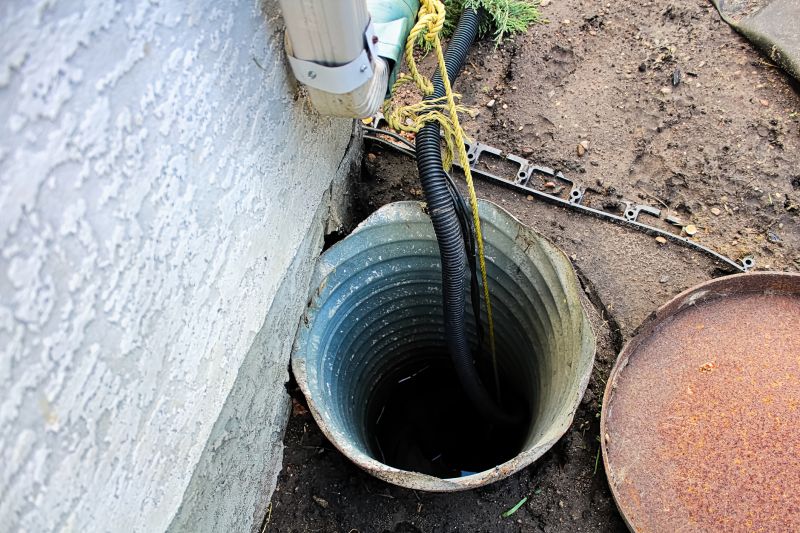
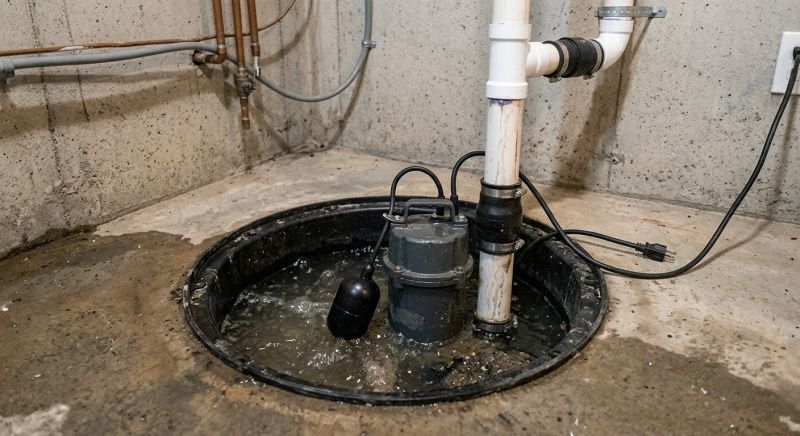
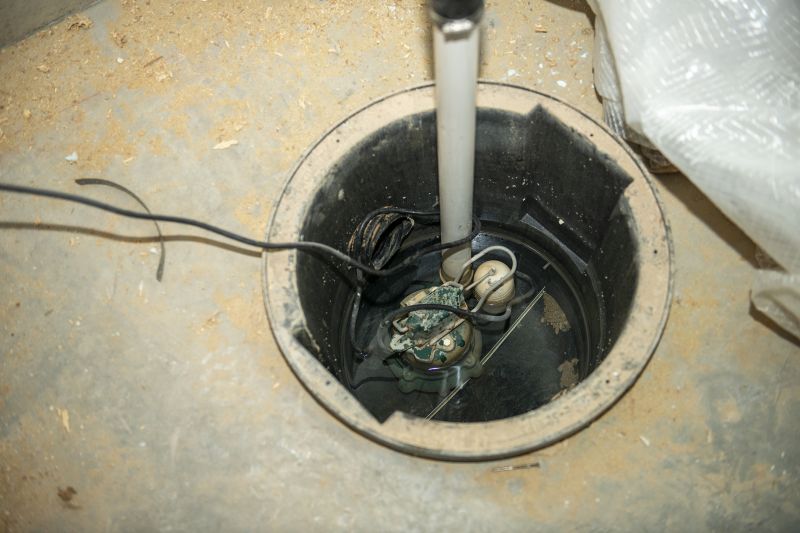
Sump Pump Plumbing Questions
What is a sump pump and how does it work? A sump pump is a device installed in basements or crawl spaces to remove excess water, especially during heavy rains or flooding. It automatically activates when water reaches a certain level, pumping it away from the property.
When should a sump pump be replaced? Sump pumps typically need replacement after about 7-10 years of use or if they show signs of frequent failure, unusual noise, or reduced performance.
What are common signs of sump pump failure? Signs include frequent cycling, strange noises, water pooling in the basement, or the pump not activating during heavy rain.
Can a sump pump be installed in an existing basement? Yes, installation in existing structures is common and involves placing the pump in a sump pit and connecting it to drainage and power sources.
Request Sump Pump Plumbing in Boston, MA
Use the quote form on this page to share the basics of your project and request more information for the type of work you need.